Tag: Politics

  • Historical Amnesia: What Happens When Nations Forget?

    One of the most unsettling trends I’ve noticed in modern politics is the deliberate forgetting of history, a kind of national amnesia. Whether it’s erasing colonial atrocities, downplaying slavery, or recasting fascism in nostalgic terms, many societies are rewriting their pasts to serve present political needs.

    Historian Tony Judt once said, “When the truth is replaced by silence, the silence is a lie.” That resonates with me deeply. In countries like the U.S., debates about history (Critical Race Theory, Confederate statues, textbook content) aren’t really about the past. They’re about who gets to define national identity.

    Germany, for instance, took a very different route. After World War II, the country invested heavily in what it calls Vergangenheitsbewältigung -literally, “working through the past.” Holocaust education is mandatory; Nazi symbols are banned; memorials are prominent. While not perfect, this model reflects a willingness to confront and learn from historical evil.

    Contrast that with Japan’s handling of its World War II legacy. There’s still political controversy over apologies to Korea and China, and many textbooks gloss over wartime atrocities like the Nanjing Massacre. The result? Lingering tensions and unresolved trauma.

    Historical memory is not just academic, it’s moral infrastructure. When nations forget, they often repeat. When they remember selectively, they often marginalize.

    The philosopher George Santayana’s famous line –Those who cannot remember the past are condemned to repeat it”—rings true. But I’d argue there’s more: how we remember is just as important as whether we do. Selective memory breeds nationalism; honest memory builds humility.

    I think confronting uncomfortable truths isn’t unpatriotic, it’s mature citizenship. And in our current moment of culture wars and revisionism, fighting for accurate historical memory may be one of the most vital tasks we face.
  • Takeaways From “Family matters: Primary gender socialization and gender-based violence in paid domestic work in Bolivia and Peru” by Nora Goffre

    Nora Goffre’s ethnographic study, grounded in fieldwork across Bolivia and Peru, reveals that paid domestic labor is deeply shaped by early gendered socialization, presenting a “regime of gendered and racialized appropriated labor”(source). She argues that domestic workers—mostly rural migrant women, often Indigenous or Afro‑Latin American—enter a cycle where exploitation in their birth families resonates within employers’ households and persists into their conjugal relationships 

    Contrary to the common perception of the family as a protective space, Goffre highlights how it can perpetuate violence. The sexual division of labor and normalized gendered roles within households lay the foundation for ongoing emotional, physical, and sexual exploitation. When these workers transition into paid domestic roles, the same norms become inscribed into work relationships, making violence and dependency systemic.

    Goffre positions paid domestic work as a blurred form of “appropriated labor”—where private, informal care becomes formally unpaid or underpaid labor, rooted in structural inequalities of class, race, and patriarchal norms. The prevalence of rural, ethnically marginalized women in this sector is a clear outcome of colonial histories and entrenched poverty.

    What stands out most to me in this study is Goffre’s intersectional framing: violence against domestic workers isn’t just gendered—it’s racialized and classed. Goffre critiques the failure of broader scholarly work to integrate these intersecting axes of oppression when analyzing household labor dynamics.

    Some More Key Takeaways:

    • Violence is normalized early: Gendered socialization in origin families lays the emotional groundwork for accepting abusive power dynamics.
    • Paid work reflects private oppression: Domestic employment often replicates familial exploitation patterns.
    • Labor is appropriated, not compensated: The merging of emotional care and wage labor functions as structural extraction.
    • Intersectionality is essential: Only by considering gender, race, and class together can we grasp the full depth of workers’ vulnerabilities.

    Goffre’s study serves as a powerful reminder that interventions aimed at protecting domestic workers must go beyond workplace regulations in order to enact real change. They must address the familial and societal norms that sanction harm, starting from childhood socialization through adulthood. Only then can the root cause of the harms done to the households and daily lives of some of Latin America’s most vulnerable laborers be addressed. For more information check out the full ethnographic study.

  • Takeaways from “Emprendedores and Luchadores: Cuban Entrepreneurship, Socialist State Retrenchment, and the Normalization of Racialized Exclusion” by Hope Bastian

    I recently read anthropologist Hope Bastian’s article Emprendedores and Luchadores: Cuban Entrepreneurship, Socialist State Retrenchment, and the Normalization of Racialized Exclusion, and found it super interesting. Here’s a summary and some of my biggest takeaways:

    First of all, in her article, Bastian explores the nuanced transformation of Cuban entrepreneurship from a frowned‑upon “necessary evil” in the 1990s to an officially embraced engine of economic development by the 2000s. But as Bastian compellingly argues, this shift isn’t enough to dismantle enduring inequalities, particularly when it comes to racialized exclusion.

    Batisan further explains that the early reforms that legalized self-employment in Cuba were pragmatic responses to economic collapse, but they came with heavy moral baggage. Independent workers were stigmatized as betraying revolutionary values and succumbing to capitalist individualism. It wasn’t until about a decade later that the state began celebrating these “emprendedores” as vital contributors to the national economy, yet the rhetoric of inclusion masked deeper tensions.

    What struck me most is Bastian’s observation that only certain entrepreneurial actors were welcomed. Racial and class bias continued to shape who could succeed. She highlights how the promise of entrepreneurship remained largely out of reach for Afro-Cuban and lower‑income entrepreneurs. 

    My biggest Takeaways: 

    • Policy vs. Practice: Legalization alone does not guarantee equity. Racial and socioeconomic hierarchies persisted despite reform.
    • Moral Framing Matters: Public discourse is powerful; labeling some entrepreneurs as morally suspect enabled selective inclusion.
    • Incomplete Success: Celebrated entrepreneurship may actually reinforce systemic inequality unless paired with conscious efforts toward inclusion.

    Ultimately, Bastian’s work serves as a timely reminder that economic transformations, even when portrayed as progressive, can perpetuate injustice without intentional measures to ensure equity. This case study invites broader reflection on reform efforts worldwide: in emerging markets and post‑socialist societies alike, we must ask, “Who is really included, and who remains sidelined?”. For more information and the full study, I encourage you to check out this link.

  • “Qualification” In the Candidates of the 2024 Presidential Election

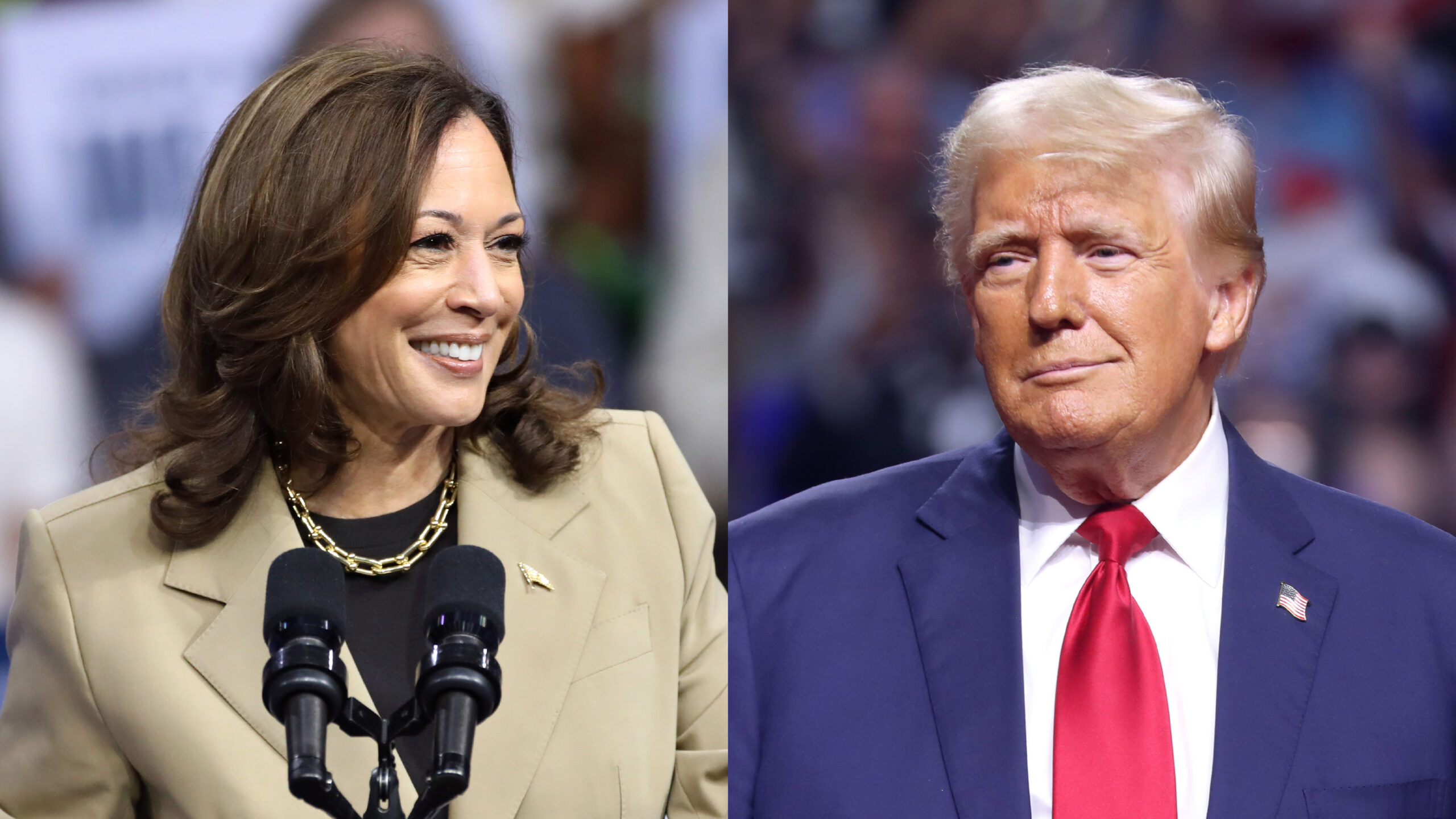
    A common topic I saw among Americans this election was the candidates qualification. Sadly yet unsurprisingly there were many men who claimed Kamala Harris was “unqualified” for the job of president and that she was “useless” during her term as Vice President. But if were being serious, when has a vice president ever really done anything of note? Why not look at some of her qualifivations rather than making up a lack thereof. Something many people may not know, or rather choose to ignore, is that Kamala has worked for years in all three branches on government. She was a prosecutor for three decades, then became the first woman ever to be Attorney General of California, then became a senator, and is now finishing her tern as Vice President of the United States.

    Former President Trump, on the other hand, was the only U.S president to ever have no political or military service prior to presidency. He was also one of three Presidents to ever be impeached (twice I might add), and earlier this year was the only president to every be convicetd of a felony (34 counts). Yet Kamala is the unqualified one?

    So why is it that people sp often call Kamala unfit or unqualfied to be president but the same isnt really said about Trump? Simply put, the answer is misogny. Its an increbily common social phenonon to belittle womens achivements in order to uphold male superiority. Women are even socialized to belittle their own achivements, for if they so they’re deemed too prideful or egotisical.

    A saying I think about frequently is something along the lines of “women have to work twice as hard for half as much,” which so closely applies here. Kamala Harris was twice as qualified yet still lost by such a big margin. Its disheartening that for the majority of Americans the choice between a convicted felon and rapist and a woman is a difficult one.